Here's the thing. When armed groups are paying teachers' salaries and dispensing medicine, the state hasn't just lost territory — it has been replaced. That is the core finding of a new report from Venezuelan NGO SOS Orinoco, and it is not subtle.
The study, titled 'Organized Armed Groups (GAOs) in Mining Activity South of the Orinoco River, Venezuela: Situation as of 2026,' identified at least 26 distinct armed organizations operating across the southern mining basin. Researchers documented their presence in 20 of the 21 municipalities in the region — 95% of the territory analyzed.
Amazonas and Delta Amacuro registered armed group activity in every single one of their municipalities. Bolívar confirmed presence in nine of its ten evaluated municipalities. SOS Orinoco describes the overall structure as a 'hybrid criminal governance' system that controls not just gold and mineral extraction, but the basic rhythms of daily life.
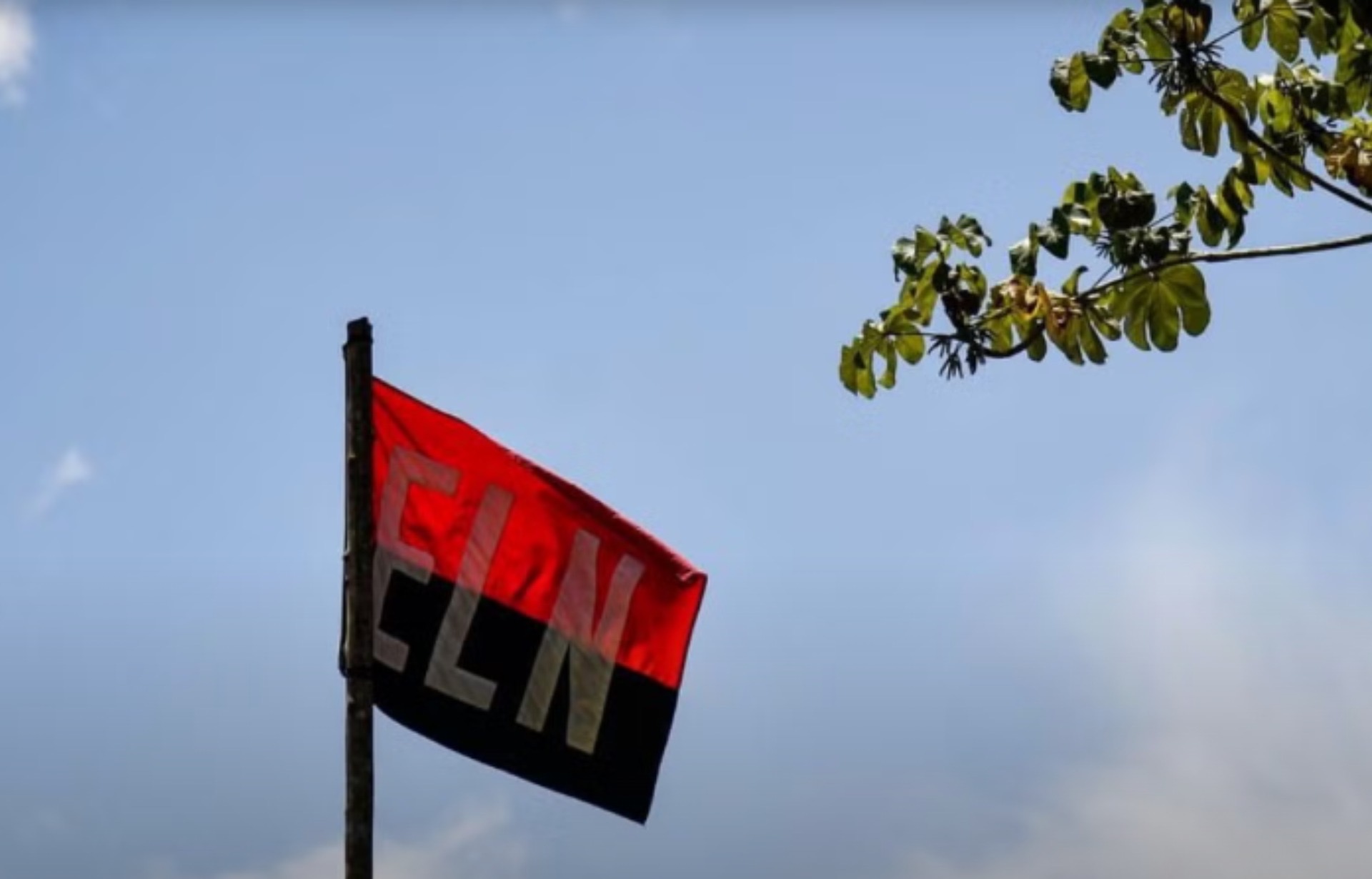
The ELN and various FARC factions and dissidents are the dominant players. According to the report, those two Colombian-origin organizations hold a footprint across 16 of the 21 municipalities — 76.1% of the total area. Alongside them, the report names the Organización 3R, the Sindicato de Juancho y Humbertico, the Tren de Guayana, Brazilian garimpeiros, river pirates, indigenous committees, mining unions, and local gangs.
Funding flows from extortion payments known locally as 'vacunas,' from control over mineral extraction and commercialization, and from the imposition of conduct rules in mining zones. In some communities, these groups administer informal 'justice,' distribute food and medicine, and — critically — pay the wages of teachers and healthcare workers. The demo is not the product; this is not a governance vacuum, it is a governance substitution.
SOS Orinoco warns the situation reflects a structural loss of sovereignty over vast stretches of southern Venezuela, with direct consequences for the extraction of gold, diamonds, and coltan, as well as for environmental management and the territorial rights of indigenous communities. The report also documents alleged human rights violations and frames its findings as a baseline for eventual dismantlement under a democratic transition and transitional justice process.
Voltage's read: The Maduro government has long used the rhetoric of sovereignty — particularly over the Essequibo — while ceding actual sovereign control of the south to transnational criminal networks. An NGO had to map what 26 armed groups are doing in 95% of your mining territory because no official body would. The resources at stake — gold, coltan, diamonds — are not footnotes; they are the reason these groups exist and the reason Caracas looks the other way. Any serious conversation about Venezuela's future has to start here, not in diplomatic salons.