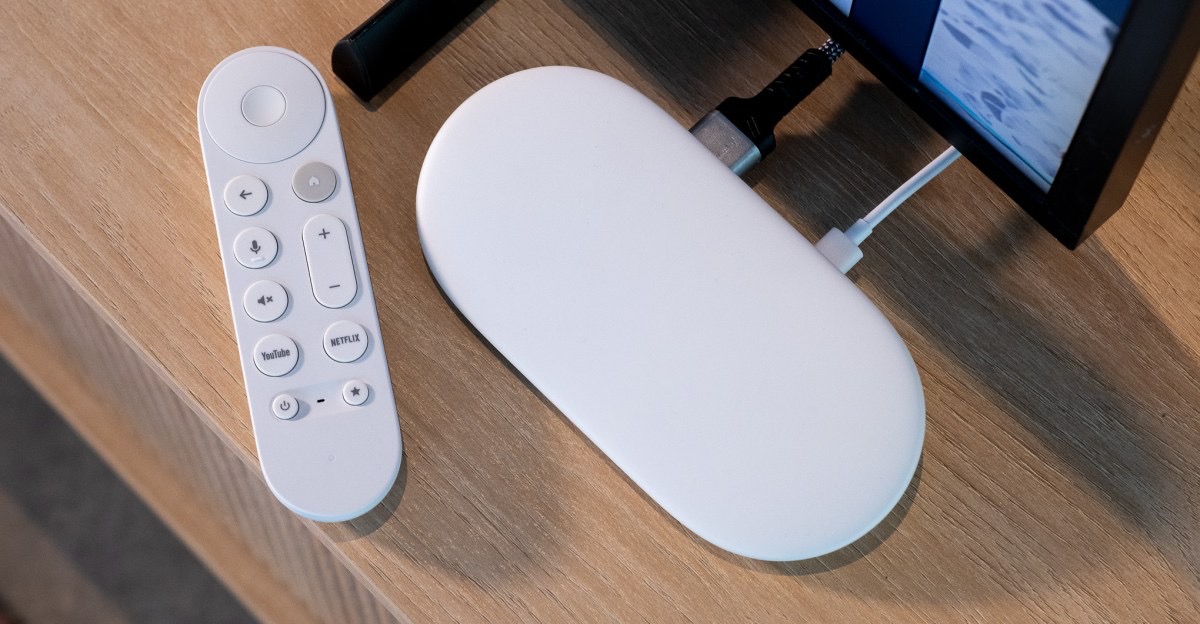
Google raised the price of its 4K Google TV Streamer to $149, up $50 from its original $99 launch price, according to The Verge. Engadget puts the jump slightly higher, from $100 to $150 — a 50 percent increase either way. The new price is live at the Google Store and Best Buy. Amazon, for now, is still selling it at the old price.
The Google TV Streamer launched in 2024 as the Chromecast's replacement and doubles as a smart home hub. Engadget named it 2026's best all-in-one streaming device, citing 32GB of storage, 4GB of memory, and support for 4K at 60fps, HDR10+, and Dolby Vision.
Google didn't announce the increase. It didn't explain it either. That's consistent with the rest of the hardware market right now. Amazon raised its Fire TV Stick 4K Max by more than 40 percent to $84.99 earlier this month. Apple's June price hikes pushed the Apple TV 4K up to $199 and $249, depending on storage. Google itself just launched the Pixel 11 lineup at $100 more than the Pixel 10.
Engadget points to a plausible culprit: rising RAM prices, driven by AI companies buying up much of the world's memory supply and leaving device makers with less hardware capacity to work with. Component shortages have been pushing up costs across laptops and game consoles too. Nobody at Google confirmed that's the reason here, but the timing lines up with the rest of the industry.
Here's the thing: this isn't a regulator failure or a monopoly squeeze. It's what happens when compute demand outruns the supply chain that feeds it. AI training and inference are eating RAM the way data centers eat power, and every gadget that shares a supplier with a GPU cluster is going to feel it in the checkout price. That's the market doing exactly what markets do — reallocating scarce inputs toward whoever's willing to pay the most for them right now, which happens to be the AI buildout.
The part worth watching isn't the $50. It's the silence. A company that can raise prices without a word of explanation, and still sell through Best Buy and its own store at the new number, is telling you something about how little friction it expects from customers. If Amazon eventually matches the hike — and it likely will — the real signal isn't corporate greed. It's a hardware market getting rationed by an AI boom nobody voted for and nobody can opt out of.