Here's the thing. For decades, studios blurred logos, turned labels away from cameras, and swapped real products for generic stand-ins. The logic was clean: put a recognizable brand on screen without permission and you risk implying a commercial relationship that doesn't exist. Trademark law is not a prop department suggestion.
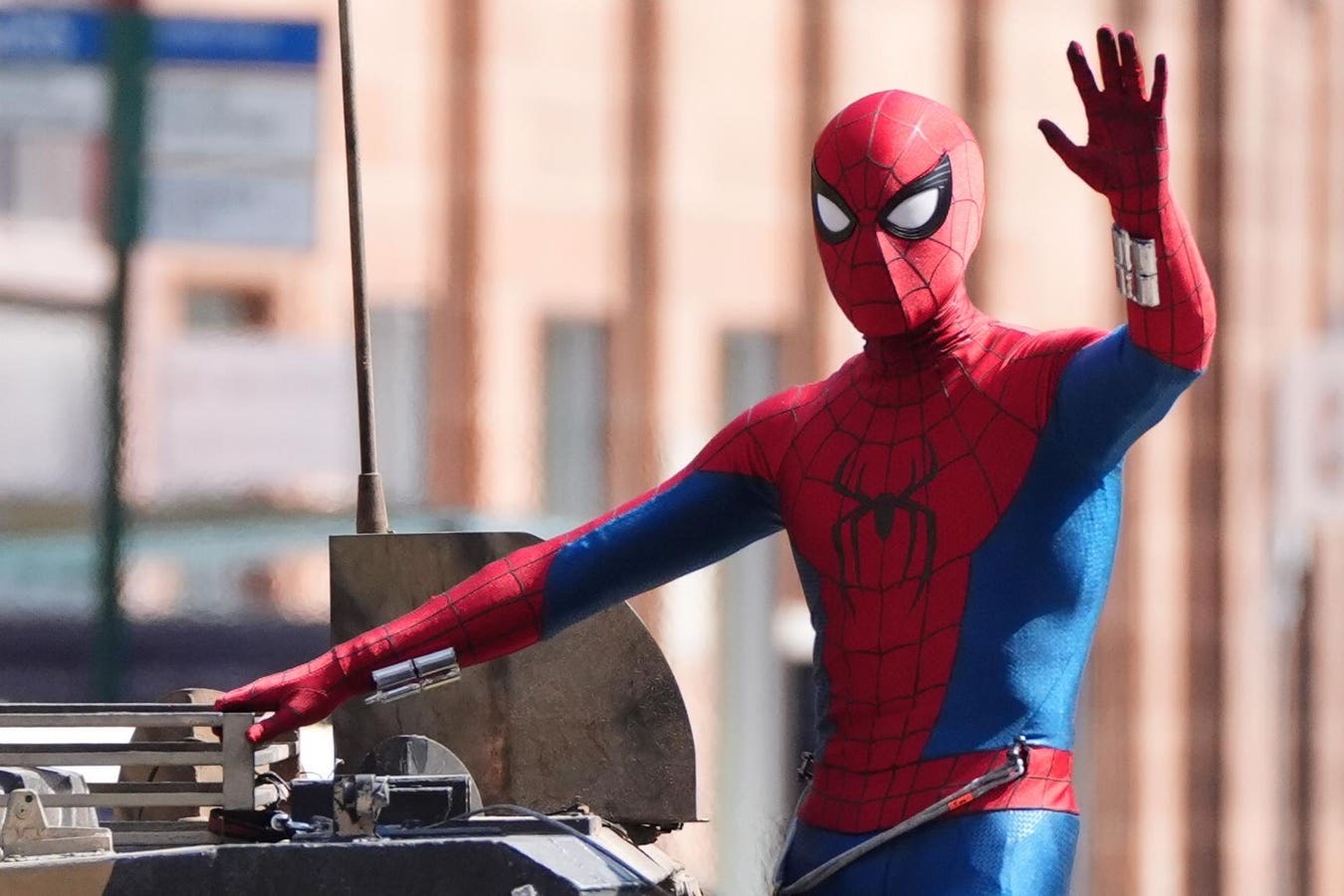
Spider-Man: Brand New Day just archived that playbook.
The Tom Holland and Zendaya-led film generated $309 million in worldwide media value across 165 brand partners, beating the previous benchmark of $288 million set by Spider-Man: Far From Home. Several of those partners didn't just sponsor the movie — they paid to appear inside it. Spider-Man uses Samsung's Galaxy Z Flip. Other characters carry the Galaxy Z Fold and Galaxy Watch. Little Caesars appears by name. Liquid I.V. sits on a shelf in Peter Parker's apartment. ASUS ROG computers show up in multiple scenes. BMW vehicles move through the city. And Tom Holland's own non-alcoholic beer brand, Bero, launched a limited-edition Spider-Man can and lands briefly on bodega shelves in the film itself. The line between star, character, and brand ambassador, according to the Forbes analysis, 'has disappeared.'
The film also opened to $72 million in Thursday previews, surpassing the $60 million record Avengers: Endgame set.
The 'why now' is straightforward math. U.S. cable household penetration dropped from a peak of 88% in 2010 to below 50% in 2026. American users now spend an average of 2 hours and 21 minutes daily on social media — time not spent watching commercial breaks. Influencer marketing ballooned from a $1.7 billion niche in 2015 to a projected $25.62 billion industry in 2026, but even that format has a ceiling: no creator can guarantee millions of eyeballs, sitting in the dark, with no skip button.
A theatrical blockbuster can. That asymmetry is the entire business case.
In-film placement isn't new. Reese's Pieces appeared in E.T. in 1982. Ray-Bans rode Tom Cruise's face in Top Gun in 1986. FedEx became a Cast Away plot device in 2000. What Brand New Day represents is scale — 165 partners, nine-figure media value, and multiple brands woven into the story itself. The industry is no longer treating this as a novelty.
Read the changelog. The skip button didn't just kill the ad break — it redirected billions of brand dollars toward the one screen that still commands a captive room. Studios that understand this aren't just making movies anymore. They're selling the last guaranteed mass-audience moment left in media, and the brands lining up at the door know exactly what they're buying.
Free-market dynamics found the gap that cord-cutting and ad-blockers created. The theatrical window, long declared dead by streaming maximalists, turns out to have a second life — as infrastructure for brand commerce. The demo, for once, is the product.