Here's the thing: a renewal announcement is apparently not a renewal.
Disney+ has canceled Wonder Man after a single season, according to Variety, despite having publicly announced in March that a second season would be produced. Per sources cited by the trade publication — as reported by the news agency EFE — work on that second season never actually began.
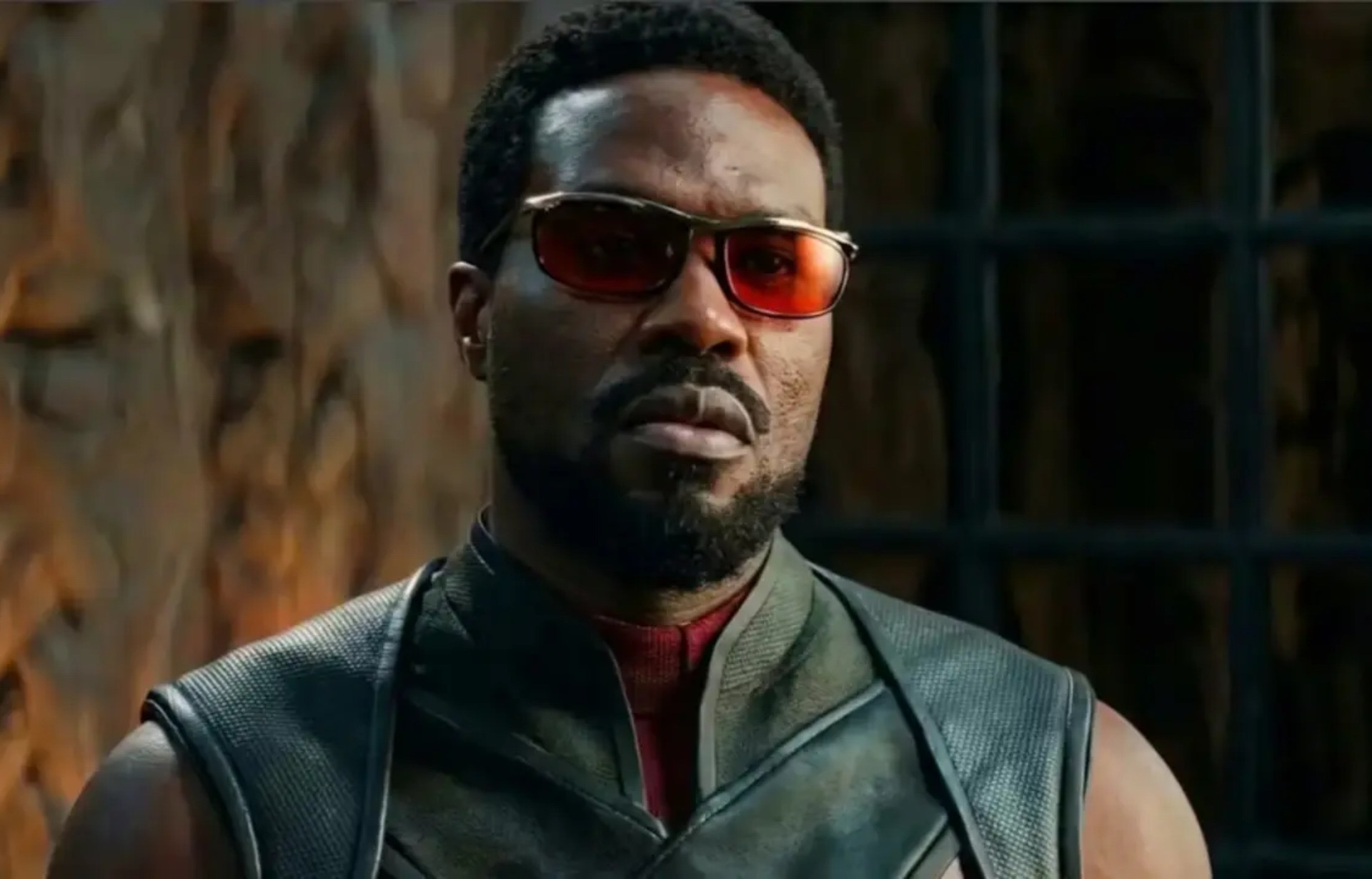
The series followed Simon Williams, played by Yahya Abdul-Mateen II, an actor chasing a Hollywood breakthrough who stumbles into the orbit of Trevor Slattery (Ben Kingsley), a retired veteran performer, and learns that a new superhero film — Wonder Man — is being developed around him. The premise landed. Critics responded warmly, Abdul-Mateen earned an Emmy nomination for best lead actor in a comedy series, and Nielsen measured 618 million minutes of viewing during the show's debut week in late January.
None of that was enough.
The gap between the March renewal announcement and the cancellation — with no production ever starting in between — is the detail that stings. A streamer announcing a second season and then never making it is not a content decision. It is a broken commitment, and subscribers notice.
Voltage take. The Wonder Man cancellation is a clean case study in what happens when platform strategy disconnects from the signals a show is actually sending. By the benchmarks that are supposed to matter — critical reception, awards traction, opening-week viewership — this one worked. The algorithm said yes. The Emmy voters said yes. The audience showed up.
And yet the roadmap was written in pencil. When a platform announces a renewal and then quietly lets it expire without a single day of production, the message to subscribers is that commitments are provisional. That is a subscriber-trust problem with a compounding cost: viewers who invest in a show, learn it was renewed, and then discover it was canceled anyway are less likely to invest in the next one. Disney+ is building a walled garden; leaving the lights on just long enough for people to move in before turning them off is not a content strategy. It is a churn engine.