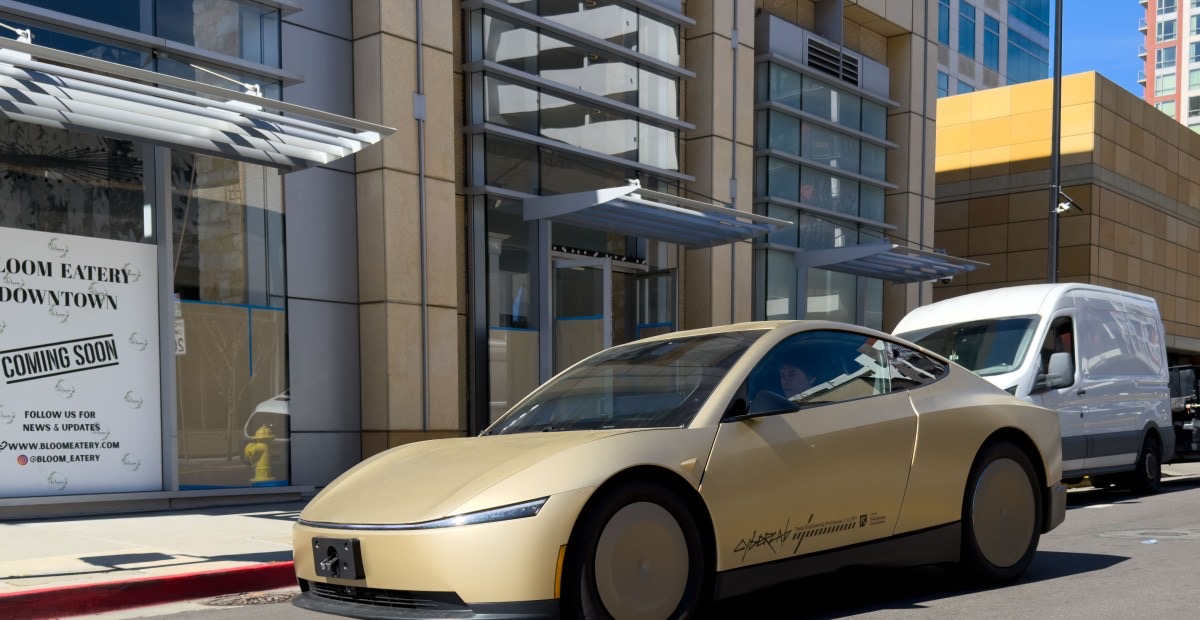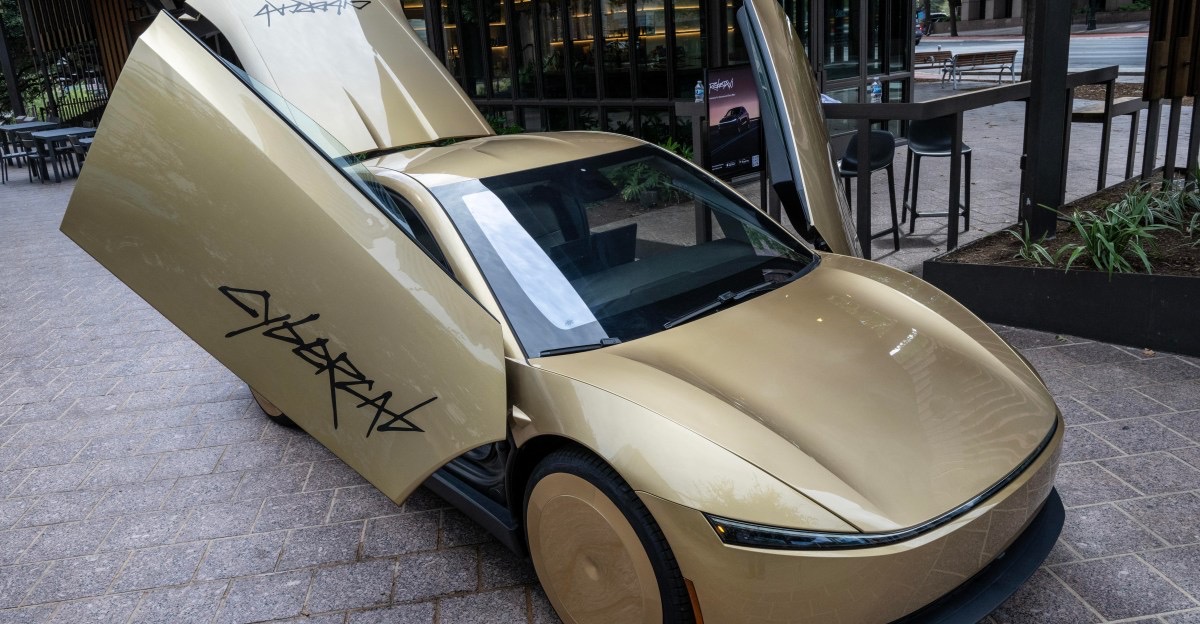
Tesla's Cybercab barely had time to pick up its first rider in Austin before the federal government came knocking.
The National Highway Traffic Safety Administration has opened an audit query into the vehicle, which lacks a steering wheel, pedals, and sideview mirrors — features normally mandated under the Federal Motor Vehicle Safety Standards (FMVSS). NHTSA says it will 'examine the process and technical data on which Tesla relied when certifying the Cybercab,' including whether Tesla decided on its own that certain FMVSS rules simply didn't apply to it.
That matters because Tesla does not appear to have filed for a formal exemption from those rules. In the US, automakers self-certify compliance; NHTSA steps in after the fact when something looks off. A missing steering wheel qualifies.
The probe covers an estimated 1,000 Cybercabs, though that number may be aspirational. According to Reuters, Tesla has registered 420 autonomous vehicles in Texas, only 45 of which are Cybercabs. It's unclear how many of those are actually carrying paying customers versus running tests.
NHTSA Administrator Jonathan Morrison framed the review as pro-innovation, not anti-Tesla: 'NHTSA fully supports the safe development and deployment of automated vehicles. But as the federal regulator, we need to ensure that all of our laws are followed.' The agency is separately weighing rule changes that would make it easier for automakers to sell driverless cars without traditional controls — the exemption path Tesla apparently skipped.
There's precedent here. Amazon's Zoox launched its own steering-wheel-free shuttle in 2024 making similar compliance claims, triggered a NHTSA audit, and was restricted to demo rides only — no paying passengers — until the agency cleared it this past July, two years later.
Whether Tesla faces the same restriction while its audit runs is an open question. Elon Musk is a major GOP donor and generally friendly with the Trump administration, but Transportation Secretary Sean Duffy, who oversees NHTSA, is a separate relationship; Musk has reportedly referred to him as 'Sean Dummy,' according to reports. This is also not Tesla's only open NHTSA matter — the agency is separately probing 3.2 million Full Self-Driving-equipped vehicles, a review that could lead to a recall.
Here's the thing. Self-certification is a privilege regulators extend to automakers on trust, not a loophole to route around federal law. Tesla built its brand on shipping first and litigating the paperwork later, and that habit works fine for over-the-air software patches. It works less well when the 'patch' is a car with no steering wheel operating on public roads.
Free enterprise thrives when rules are predictable and applied evenly — including to politically connected CEOs. If Tesla wanted an exemption, the process exists. Skipping it and hoping regulators wave it through isn't disruption; it's asking a federal agency to legislate by inaction. The market for robotaxis is real and worth building. It just doesn't get to build itself outside the rulebook everyone else follows.