Here's the thing. The pipes are fine. The alarm is not.
Michigan reported Saturday that nine of its water systems were targeted in cyberattacks, joining Minnesota, where authorities had already confirmed malicious activity at more than 30 water systems earlier in the week. Dale George, director of communications at Michigan's Department of Environment, Great Lakes, and Energy, said all systems 'continued to operate safely, issues were addressed by local operators, and there are no known impacts that posed a public health concern.'
The FBI is investigating. It has not publicly named a culprit, and a spokesperson declined Thursday to say who the bureau believes is responsible. But the timing is not subtle: the FBI, the Cybersecurity and Infrastructure Security Agency, and other federal agencies issued an advisory last week warning that Iranian hackers have been actively targeting water and wastewater systems and the operational controls of other critical infrastructure.
The advisory did not come out of nowhere. Iran's interest in U.S. water infrastructure goes back at least a decade. In 2016, the Justice Department charged a group of Iranian hackers in connection with a cyberattack on a small dam near New York City.
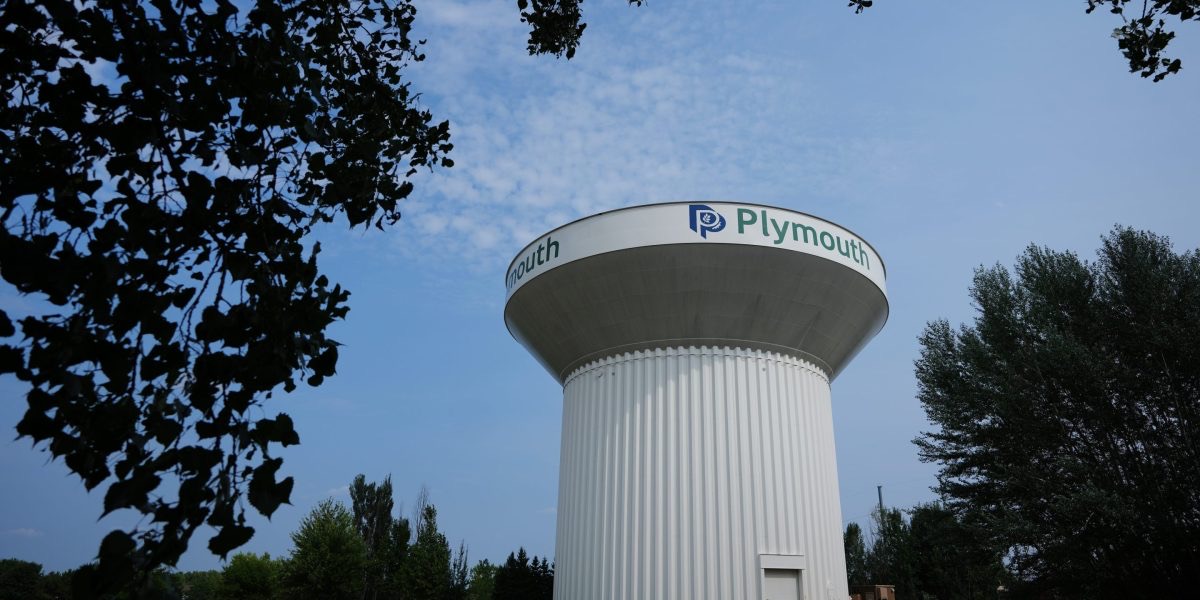
The most concrete disruption on record came from Braham, Minnesota — a city of about 1,700 people roughly 70 miles north of Minneapolis. For a few hours on Monday, residents were asked to minimize water use after the water plant went offline. The city confirmed the outage was caused by a cyberattack that shut down the operating controls for the well and water treatment plant, leaving the city temporarily dependent on water held in the tower. Water quality was not affected. In Plymouth, a Minneapolis suburb of about 80,000, officials said water infrastructure communications were restored by Tuesday afternoon.
Minnesota IT Services clarified that most confirmed attacks involved technology used to remotely monitor and control equipment — and that 'impacted' meant investigators confirmed malicious activity, not necessarily that water service was disrupted.
President Donald Trump, during a Cabinet meeting Friday at Camp David, claimed without evidence that the Minnesota attacks were the fault of the state, including Democratic Gov. Tim Walz. Walz responded on social media, saying Trump 'knows exactly who is responsible for this attack, and knows that other states were hit too.'
The FBI said Saturday it and its 'interagency partners are fully engaged to protect critical infrastructure.'
Voltage take: The deeper story here is not political theater — it is the firmware gap. Local water utilities are chronically underfunded, often running legacy operational technology that hasn't seen a security patch in years. That is not a Walz problem or a Trump problem; it is a structural failure of public infrastructure investment that leaves critical systems as soft targets for state-sponsored hackers. The federal advisory system worked this time. The plants kept running. But 'we got lucky' is not a security posture, and the next attack may not be as polite about staying within the water tower.