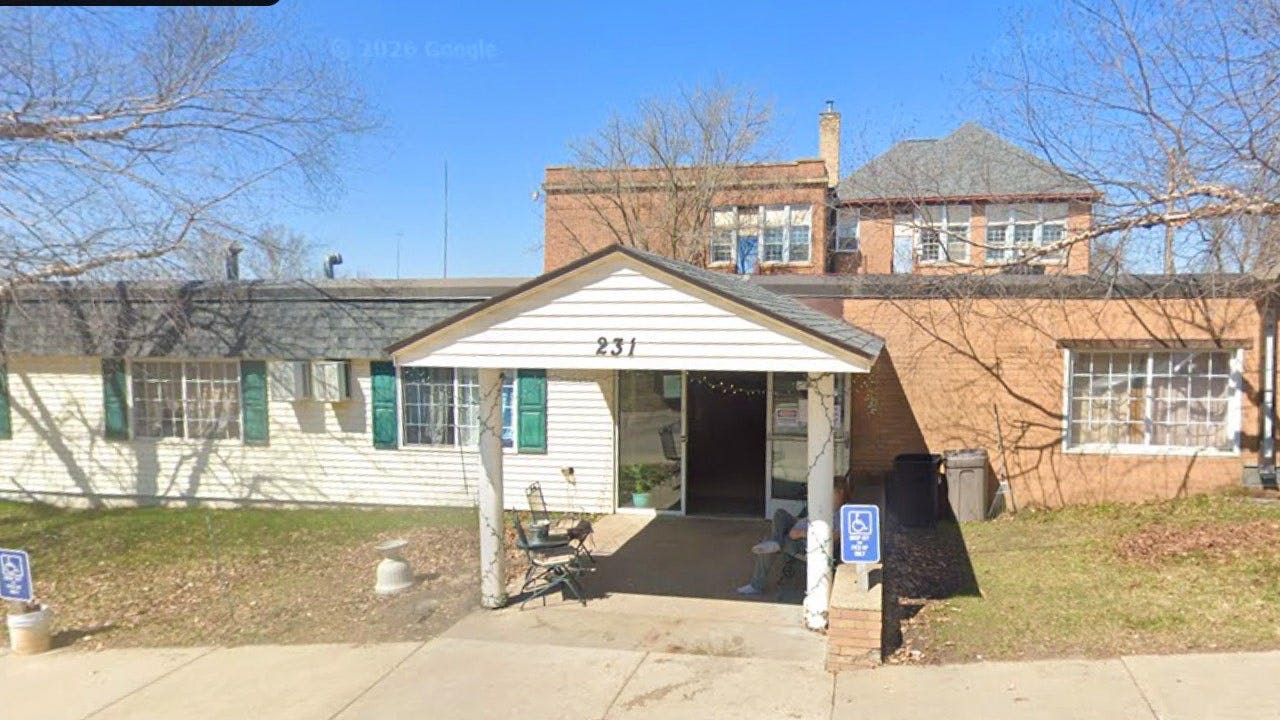
Here's the thing. When a healthcare facility is supposed to help a resident make a doctor's appointment, the standard playbook does not include two shots at 3:55 a.m., a beer at 5 a.m., and six more shots before noon.
That is exactly what Minnesota's Department of Health says happened at Covered Bridge Assisted Living in Holdingford. According to state investigators, staff gave resident Don Brambrink 18 shots of liquor in the 24 hours before a scheduled telehealth appointment, then sent him anyway — after he was found on the floor and described by the facility's own registered nurse as 'dead to the world.'
The timeline documented in the investigative report is worth reading slowly. The night before the appointment: 2 shots at 6:54 p.m., 2 shots at 8 p.m., 2 shots at 9:20 p.m. The morning of: 2 shots at 3:55 a.m., a beer at 5 a.m., 2 shots at 5:55 a.m., 2 shots at 8:15 a.m., 2 shots at 9:15 a.m., 2 shots at 10:55 a.m., and 2 shots at 12:30 p.m. That is not a care plan. That is a changelog nobody should have approved.
When Brambrink's primary care physician was eventually reached, the doctor requested an emergency room visit. Hospital staff found his blood alcohol level at 0.23% — nearly three times the legal driving limit of 0.08%. They recommended keeping him overnight to monitor for alcohol withdrawal. Brambrink refused, telling staff he 'would rather go home and continue to drink,' according to the report.
The Department of Health concluded the facility was responsible for neglect. Brambrink, according to the report, had multiple mental health diagnoses including psychoactive substance abuse and anxiety, had heard voices for 40 years, and was homeless before moving into the facility.
The story was first reported by affiliate FOX 9 Minneapolis.
What this actually is: a licensed, regulated care facility — the kind the administrative state certifies, inspects, and funds in part through public programs — failed one of its most vulnerable residents in about the most direct way imaginable. The state's own investigators had to intervene after the fact. Licensing regimes and oversight bureaucracies are only as good as the enforcement behind them, and 'neglect' as a finding does not automatically mean anyone loses a license or faces meaningful consequence. Brambrink walked out of the ER and back into the same facility. That is the part the report does not resolve.