Here's the thing. When a single court launches removal proceedings against 56 of its own judges at once, that is not a disciplinary action — that is a purge, and the paperwork should say so.
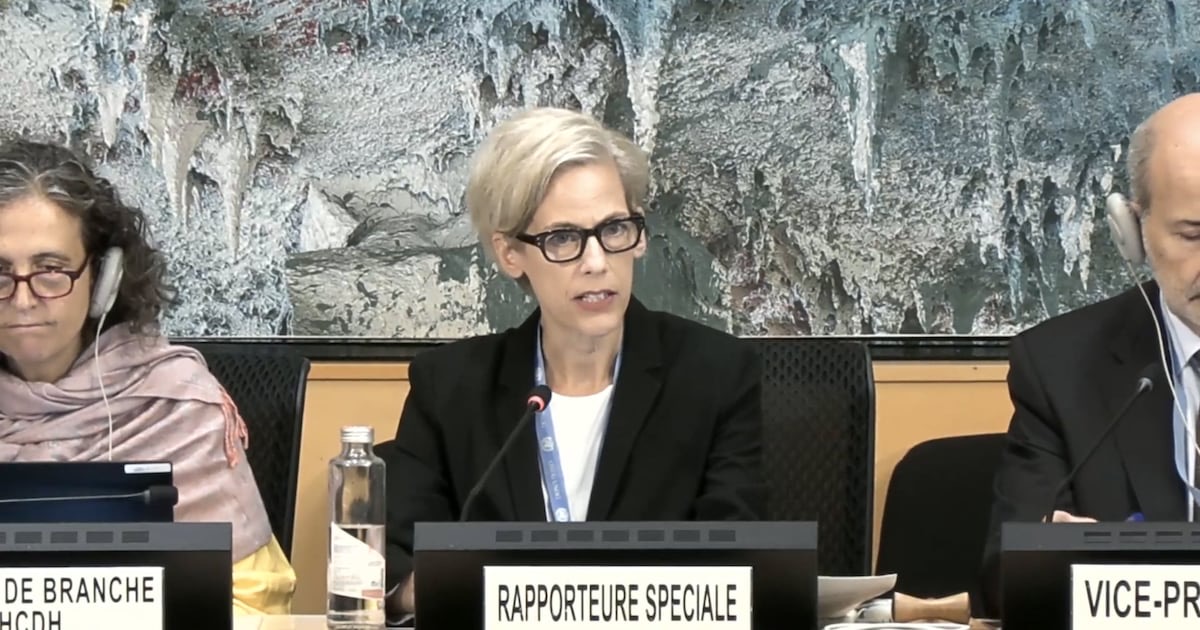
Margaret Satterthwaite, the UN Special Rapporteur on the independence of judges and lawyers, has publicly flagged her concern over the proceedings opened by Chile's Supreme Court against 56 lower-court judges who traveled abroad while on medical leave. According to a press note published by the United Nations, Satterthwaite warned that the process could violate due process guarantees and represent a threat to judicial independence.
The UN note states that the removal proceedings cover 'conduct that had already been examined and resolved through prior disciplinary procedures.' In plain terms: the judges are being tried twice for the same facts. Satterthwaite underlined that the standard being applied — whether judges demonstrate 'suitability to continue in office' — is imprecise and lacks a clear legal definition.
She also questioned the constitutional framework behind the removals. Article 80 of the Chilean Constitution, she noted, does not define the scope of the 'good behavior' requirement that underpins the proceedings. The process, according to the rapporteur, does not appear to meet due process guarantees and provides no avenue for appeal.
Satterthwaite's position mirrors that of judge Mariela Hernández, president of the National Association of Judges (ANMM), who has argued that the Supreme Court's offensive is 'putting judicial independence at risk.' The UN expert added that any removal process must be evaluated case by case, with objective and pre-established criteria, an impartial hearing, and the possibility of judicial review of decisions. She stated that mass removals are incompatible with international standards on judicial independence.
The Chilean Supreme Court has not, according to available sources, publicly responded to the UN rapporteur's statement.
Voltage read: Judicial independence is not a progressive talking point — it is the load-bearing wall of the rule of law, the same rule of law that protects contracts, property, and free enterprise from political whim. A Supreme Court that runs mass removal proceedings without clear criteria, without appeal rights, and against judges already disciplined for the same conduct is not enforcing standards; it is concentrating power. Whatever the merits of any individual case, the procedural shortcuts documented here are the kind that tend to outlast the politics that created them. Chile's institutions have survived worse. The question is whether they learn from it.