Argentina's new-car market posted another negative month in July, and this time the culprit has a tray bed and a tow hitch.
Total registrations closed at 43,758 units — a figure that only landed because dealers pushed 4,669 vehicles through the system in the final 24 hours of the month. That last-minute sprint, the source notes, reflects how dependent dealerships have become on manufacturer bonuses and targets rather than actual per-unit margins. Strip out the end-of-month surge and the picture is worse.
The pickup problem
Passenger cars fell 4.9% versus June. Pickups fell 14.5%. That gap is the story.
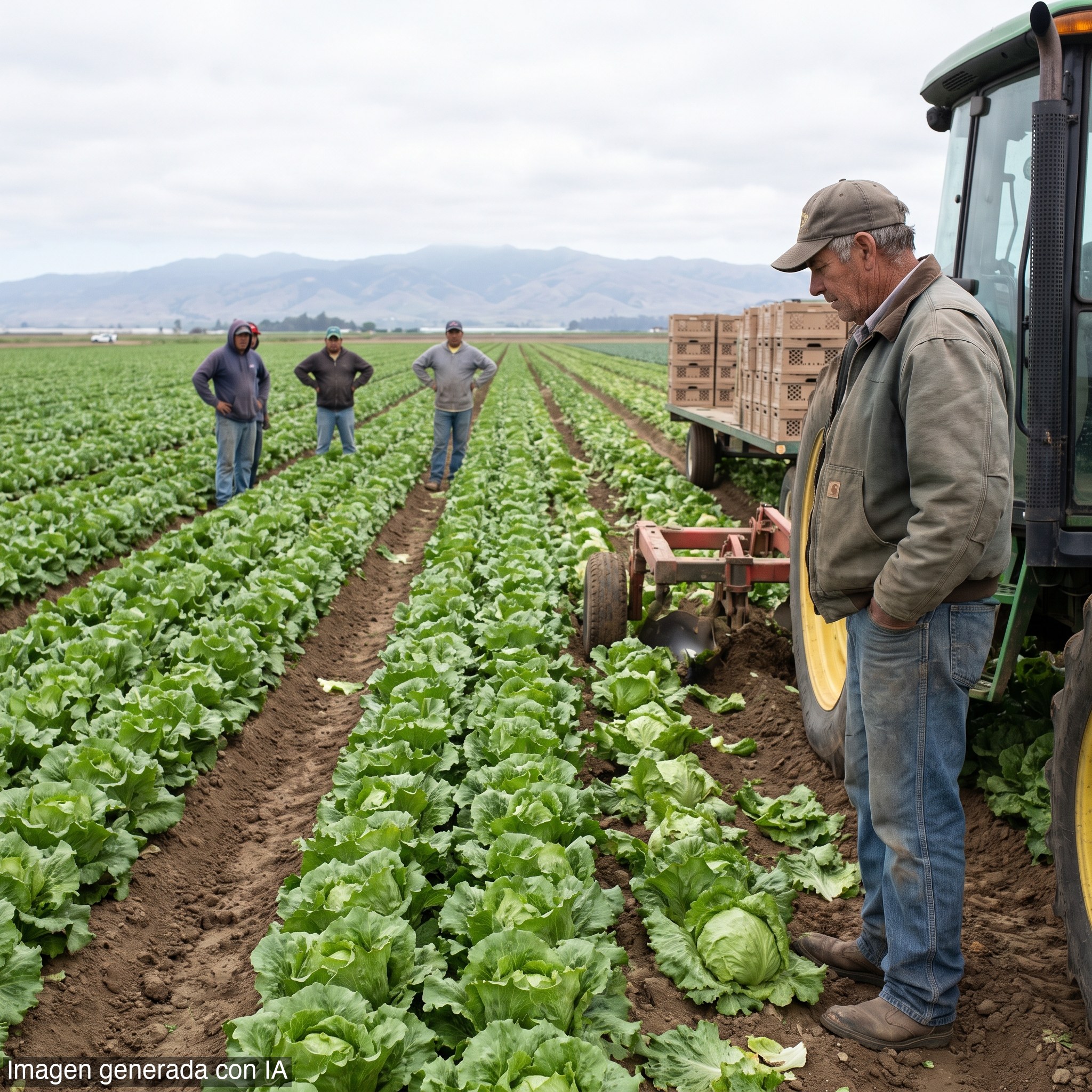
Among the six best-selling mid-size trucks — Toyota Hilux, Ford Ranger, Volkswagen Amarok, Chevrolet S10, Fiat Titano, and RAM Dakota — the combined decline hit 11%. Individually, the numbers are rougher: the S10 dropped 22.5%, the Dakota 20.9%, the Titano 12.1%, the Amarok 6.3%, the Ranger 4.2%. Even the Hilux, which held its number-one ranking, shed 8.5% month-over-month, falling from 3,002 units in June to 2,812 in July.
The common thread: these trucks carry average sticker prices above 65,000,000 Argentine pesos. At that price point, interest rates bite hard, and the rate relief the market has been waiting for has not arrived yet.
Who actually grew
The compact and entry-level segments moved in the opposite direction. The Toyota Yaris Cross led the Top 10 gainers with a 22.5% jump. The Fiat Argo surged 23.6%, the Baic BJ30 climbed 26.5%, and the Chevrolet Captiva rose 34.9%. The Fiat Cronos — the second best-selling model overall — added 6.3%, narrowing the gap with the Hilux from 1,102 units in June to 690 in July.
In the commercial-vehicle segment, the lone bright spot was the Fiat Toro, up 57.4%. Everything else bled: Renault Kangoo down 33.3%, Fiat Strada down 39.7%, Chevrolet Montana down 24.5%.
Here's the thing.
The Milei administration's deregulation and disinflation program was always going to produce an uneven recovery — and July's data is a clean illustration of that unevenness. Lower-priced, credit-accessible vehicles are finding buyers. Premium-category trucks, which function partly as inflation hedges and partly as business tools, are sitting on lots while their buyers wait for cheaper financing. The market is not broken; it is repricing. The second-half recovery story depends almost entirely on whether financial-sector rates come down fast enough for automakers' captive finance arms to subsidize volume again. If they do, the Hilux will be back. If they don't, July will look like a preview.