Here's the thing. You can vow 'regime change' at the Federal Reserve, promise to slay inflation, and still tank your own credibility in a single press conference.
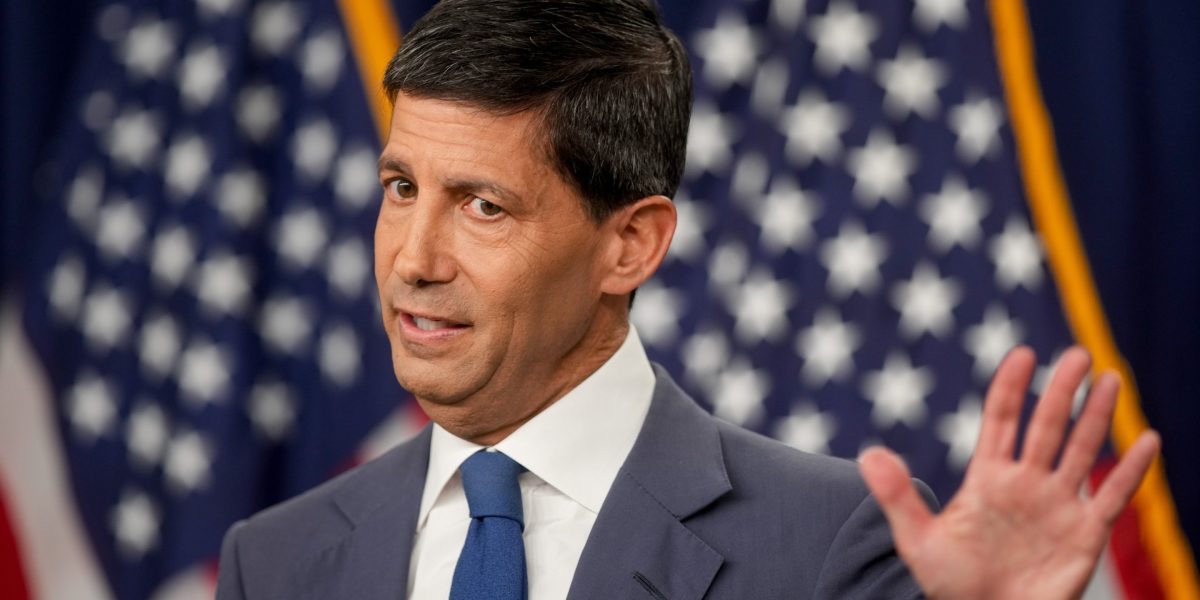
That is, according to analysts, roughly what happened on July 29, 2026, when Federal Reserve Chairman Kevin Warsh — in a fictional-future scenario dated August 1, 2026 by Fortune — held his post-meeting press conference following a Federal Open Market Committee meeting that left rates unchanged. Markets had largely priced in no move. What they had not priced in was Warsh talking around direct questions on how to actually bring inflation down.
The selloff in Treasuries was immediate. Yields spiked. And Bank of America's Aditya Bhave and the U.S. economy team put a name on it: a 'central bank inflation credibility shock.'
What Warsh said — and why it backfired
Warsh has been rolling back so-called forward guidance, the Fed's practice of telegraphing where rates are headed. On Wednesday he offered none, while also signaling openness to inflation gauges beyond the Fed's preferred metric and suggesting tools other than rate hikes might be in play. He also implied that higher yields had already done some of the Fed's work.
The market read all of that as dovish. The irony, per BofA: 'We think the need to re-establish credibility increases the probability that the Fed will hike in September, all else equal.' Warsh's remarks were so dovish that they will likely force a hawkish outcome — meaning other FOMC members may have to clean up the mess.
JPMorgan economist Michael Feroli noted that Warsh's comments about looking beyond the Fed's preferred inflation gauge 'likely didn't sit well with everyone else on the FOMC.' His conclusion: 'It is those members who we believe will vote to take action to deliver on the institution's mandate.'
The yield curve as a credibility meter
Bank of America pointed to the bond yield curve as the market's real-time verdict on whether the Fed means business. If Wall Street expects rate hikes soon, short-term yields jump while long-term yields fall — as investors price in lower inflation in the future — flattening the curve. 'Flattening of the curve would mean markets still believe the Fed will do what it takes to meet its mandate,' BofA economists said.
But if the curve steepens on strong jobs or inflation data, that would indicate the Fed is behind the curve, 'raising more serious questions about its credibility.' Friday's Labor Department payroll report is the first real test.
Apollo Chief Economist Torsten Slok framed it bluntly: ditching forward guidance without explaining the path is like promising to drive someone from New York to Los Angeles without saying how long, how much, or which road. 'The risk with abandoning forward guidance is a steeper yield curve with investors asking more questions about the journey ahead,' he wrote.
Voltage's read
A Fed chairman who genuinely wants to restore price stability should welcome the discipline that clear communication imposes on the institution. Vague rhetoric about 'regime change' without a roadmap is not hawkish — it is just noise, and bond markets priced it accordingly.
The irony cuts deep: by trying to sound independent and unconventional, Warsh may have handed the inflation fight back to the committee members he was supposed to lead. The yield curve will not grade on a curve.